
The Hidden Reason Publishers Are Spinning Off Agency Divisions
This was the top revelation I took away from the 2026 CRMA summer conference in New Orleans.

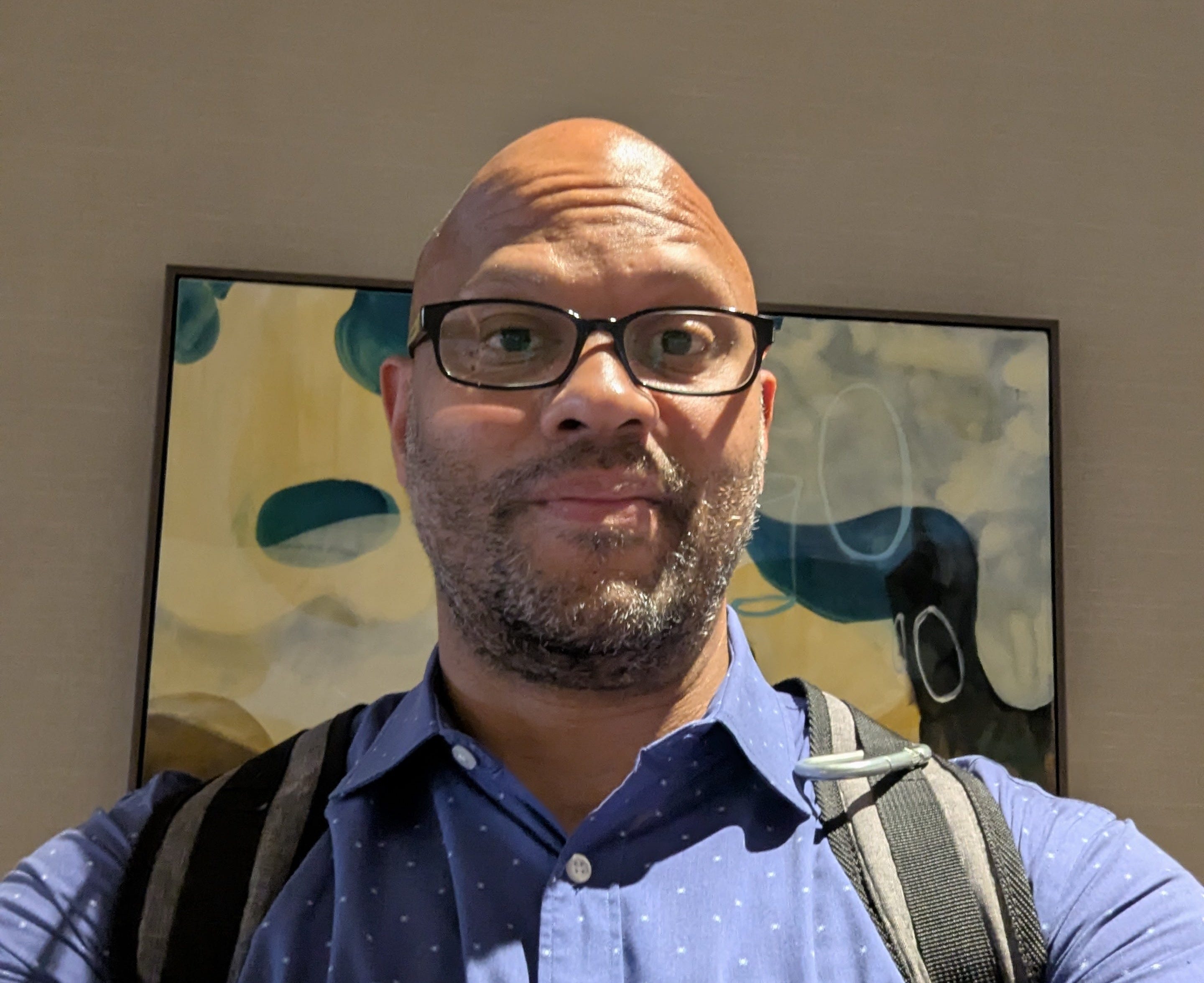
This is me in New Orleans for the 2026 CRMA summer conference
Publishers Don't Need Agencies. Agencies Need Publishers.
One of my favorite things about attending CRMA is that sometimes a single conversation can give you a much clearer understanding of something you've been seeing for years.
That happened to me this week in New Orleans. (Shout out to Cate Sanderson for overseeing another stellar event, and the agency track facilitators for helping me learn.)
Like many people in media, I've watched publications launch agency divisions. I understood the trend.
But my understanding was only partial.
Then I asked a simple question:
What can an agency do that a publisher cannot?
Shout out to J.T. Carter of Bend Magazine / Oregon Media for helping me process this question!
The answer led me to a much bigger realization.
The Publisher and the Agency Are Not Equals
For years, I've unconsciously underestimated the fundamental difference in role between publishers and agencies.
An agency exists to help a client achieve a goal.
A publisher exists to serve a community.
Those sound similar, but they are not the same thing.
The agency builds marketing plans.
The publisher builds trust.
The agency creates campaigns.
The publisher creates authority.
The agency helps a brand reach an audience.
The publisher gathers and serves that audience.
These roles are a million miles from each other.
The Agency Needs the Publisher
Think about what agencies do every day.
They buy advertising.
They develop marketing strategies.
They manage campaigns.
They coordinate channels.
But eventually, they need access to an audience.
They need trusted channels.
They need local authority.
They need credibility.
In many cases, they need publishers.
A publisher is the voice of a community.
A publisher is local.
A publisher is on the ground.
A publisher has relationships.
A publisher understands what people are feeling, what they care about, and what matters in that market.
Those assets are difficult to build.
In many cases, they take decades.
The Publisher Does Not Need the Agency
This was the part that surprised me. It had not yet occurred to me as a speakable thought:
Publishers don't need agencies. Agencies are actually just middle-men.
Publishers already possess the most valuable asset in the equation.
The audience.
The trust.
The authority.
The relationships.
The community.
If a publisher chooses to, it can learn strategy. Or it can contract out marketing expertise.
It can learn campaign management.
It can learn social media.
It can learn content marketing.
It can learn search.
It can learn all the services traditionally offered by agencies.
In other words:
A publisher can take over the role of an agency.
An Agency Cannot Become a Publisher
The reverse is much harder.
An agency cannot simply decide to become the trusted voice of a community.
An agency cannot manufacture decades of audience trust.
An agency cannot instantly create local authority.
An agency cannot suddenly become the gathering place for a market.
Those things are earned slowly.
They are built through consistent service to a community.
That is why publishers possess such a powerful advantage.
The publisher can move into the agency's territory.
The agency cannot easily move into the publisher's territory.
I heard this story at the conference:
A large local advertiser hired an out of country agency to handle its marketing. Eventually, the agency approached a local publisher for help understanding the community. The publisher saw an opportunity and asked the advertiser, "Why hire someone who needs us to understand this market?" The advertiser switched, and the publisher won the account.
So Why Create a Separate Agency Division?
This was the second revelation.
If publishers possess such an advantage, why don't they simply offer agency services directly from the publication?
Because the publication has a different responsibility.
The publication's core product is trust.
Its core product is authority.
Its core product is the dedicated audience that relies on it.
To protect those assets, there have to be boundaries.
A publication cannot always say:
"We'll do whatever it takes to accomplish your marketing goals."
A publication cannot always become the marketing department for an advertiser.
A publication cannot always manage social media accounts, create promotional campaigns, or advocate exclusively for one company's interests.
Those activities can create tension with the publisher's responsibility to the broader community.
The Agency Protects the Publisher
Suddenly, the separate entity makes perfect sense.
The agency division allows the organization to serve clients more fully without compromising the integrity of the publication.
The publication remains the trusted voice of the community.
The agency helps businesses accomplish their goals.
The publication protects trust.
The agency pursues outcomes.
The publication serves the audience.
The agency serves the client.
They are separate for a reason.
But together, they create something powerful.
The agency gains access to the publisher's greatest assets:
Trust.
Authority.
Relationships.
Audience.
Local knowledge.
And the publisher gains the ability to help businesses in ways that extend far beyond advertising.
My Biggest Takeaway from CRMA
Before this conference, I thought publisher agency divisions were primarily about revenue diversification.
Now I think they're about something much more important.
They're about allowing publishers to expand their impact without compromising their identity.
The publisher remains the voice of the community.
The agency becomes a vehicle for helping businesses succeed.
And that's when the realization finally clicked for me:
Agencies need publishers.
Publishers don't need agencies.
The publisher can take the role of an agency, via spinning off it's own agency.
The agency cannot become a publisher.
Great insights here - many publishers, particularly in B2B, have gained revenue from in-house agencies but lost their open rates and engagement due to audience fatigue and mistrust. Thank you for sharing!