
Top 13 Ways DataJoe Is Evolving The Plaque/Memorabilia Business Model
Most publishers treat plaques like merchandise, but buyers are purchasing recognition, affirmation, and celebration. Revenue follows when the experience honors the deeper motives of buyers.


Detective Data-Johnny here. I’m a revenue detective and a data nerd. A big dreamer. A lollygagger with more ideas than I can shake a stick at. But sometimes — the magic works.

I’ve been getting so excited about what we learned in 2025! We learned that providing a comprehensive plaque fulfillment + project management + marketing program fits right inside of the sweet spot of what DataJoe is always really selling: Partnership.
Here’s what we’re learning.
Two Competing Ideologies of the Plaque
There are two fundamentally different beliefs about what a plaque is. One ideology treats a plaque like a trinket, a commodity, a low-stakes fulfillment item that exists mainly to be convenient. The other ideology affirms the plaque as a moment of celebration, affirmation, and recognition among peers.
They’re buying celebration. They’re buying a feeling of being seen and affirmed.
In a world where “scaling is king,” most plaque programs are built around the first idea, while buyers are often emotionally operating in the second. That misalignment is where revenue, meaning, and goodwill quietly leak out of the system.
What follows are 13 ways DataJoe is evolving plaque revenue by aligning the product, pricing, and experience with what buyers are actually purchasing.
We’re entrepreneurial, we take risks, we try things, we collect data, we iterate. That’s core to our identity as an entrepreneurial data partner.
Top 13 Ways Plaque Revenue Is Evolving
1. From Trinket to Tribute
We can lose sight of the fact that what we’re really doing when we’re doing a Top Docs or a Top Lawyers or a Top Dentist list is celebrating humans.
Top lists are not just editorial products. They are moments of accolade and acknowledgment that carry emotional weight for the recipient. When the plaque is treated as an afterthought, the physical artifact fails to match the significance of the moment. This mismatch diminishes both perceived value and revenue potential. Reframing the plaque as a tribute restores alignment between emotion and execution.
2. From Convenience to Celebration
Traditional plaque providers are a volume play. The product they’re selling is convenience. Convenience isn’t bad at all. It prioritizes speed, self-service, and minimal human involvement. That works well for commodities, but celebration is not a commodity. We are all about a premium experience and what we’re selling is celebration and lavishness. Celebration requires intentional design, thoughtful packaging, and human touch. When celebration becomes the core product, price sensitivity drops and satisfaction rises.
3. From Low Ticket to Luxury Signal
What’s $100 or $200 more on the corporate card to get a luxury bundle rather than a plaque? Traditional plaques typically sell in the $160 to $190 range, usually as a single item. Our premium packages land in the $318 to $349 range, because we’re not selling a plaque. We’re selling celebration. Price communicates importance. Luxury communicates respect. Surprisingly, we’re seeing no pushback on the price point, even though it’s over $150 higher than the average.
That tells us buyers aren’t price shopping. They’re meaning shopping. They’re not asking what’s cheapest. They’re asking what best honors the moment.
4. From Single Item to Celebration Bundle
We don’t sell individual plaques. We favor a luxury, premium package that features a plaque along with supporting celebratory materials. Those materials include window clings, counter cards, postcards, and other physical signals of achievement. Each element extends the recognition beyond a wall and into the public world of the practice or firm. This helps winners leverage the award socially and professionally. The bundle reframes the purchase as an experience, not an object. That framing consistently supports higher price points.
Curating a bundle that communicates “luxury, high class, celebration” is where we will continue to focus our innovation.
5. From Endless Options to Decisive Simplicity
Sometimes you pre decide for your buyer in ways that you know are more likely to accomplish the goal. This lesson was reinforced in my conversation with John Garrett, who shared how his team added $6 million a year by launching a single premium bundled product. They held the line and refused to do anything from the product à la carte. Either you wanted the full product or you didn’t buy. Fewer options reduce cognitive load for buyers and ad reps alike. Simplicity increases confidence and speed of decision. You can listen to our conversation here:
https://garrett.peopleofmedia.com
6. From Ignored Revenue to Proven Opportunity
35 percent of publishers didn’t sell any meaningful number of plaques last year.
That’s not strategy. That’s neglect. Of the publishers who did sell plaques, the average take was $11,000 per list, often without focused marketing. This proves that plaque revenue does not require invention, only intention. The opportunity is already embedded in the list. It simply needs to be activated.
You can check out our 2025 Plaque Revenue Study here:

7. From Low Priority to High Leverage
Publishers are stuck shadow boxing for revenue, which drains the very time they need for innovation. Plaques often get ignored because teams are stretched thin. Ironically, plaques are one of the easiest revenue levers because the emotional moment already exists. You’re not creating demand from scratch. You’re amplifying recognition that has already been earned. That makes plaques disproportionately efficient.
DataJoe is only here because we saw the market need over years, and then proved the need through our research study. We were happy to leave the plaques to the traditional folks. But when we surveyed publishers and understood their core dilemma as the felt need to innovate in the face of a massive time and money deficit, we saw our best opportunity to help as creating a turnkey plaque model that didn’t end at fulfillment, but expanded out to customer service, project management, and marketing.
Taking work off your plate, offering higher returns at the same time.
Once we saw it, we couldn’t un-see it until we had tested it for ourselves. Now we’re all in.
8. From Fulfillment Only to Fulfillment Plus Marketing
Many plaque vendors just ship product and provide an ecommerce portal. They don’t help you market the inventory. The study confirmed that fulfillment without marketing produces weak results. A storefront alone does not create urgency. Marketing provides narrative, timing, and momentum. Without it, even well designed plaques underperform. Marketing is not optional. It’s the engine.
9. From Everyone Owns It to Someone Owns It
When everyone oversees plaques, no one does. Plaques fall between departments and suffer as a result. Clear ownership ensures accountability for messaging, timing, and follow-up. This reduces errors and increases conversion. Ownership transforms plaques from a nuisance into a system. Systems scale.
In our research study, we learned that sales teams HATE, HATE, HATE being responsible for plaques, and often see them as a distraction and a waste of time.
One of the most overlooked revenue levers for plaques is simply a project manager who is making sure processes are airtight, execution is consistent, and opportunities aren’t falling through the cracks. You need the air traffic controller, or planes will crash!
10. From Website Only to Phone Call Optional
What is more of a luxury experience, being forced to purchase from a website, or having a conversation with a person who’s excited for your victory? Low dollar buyers may prefer self-service. High dollar buyers want reassurance. Organizations spending thousands on plaques expect a human interaction. That conversation builds trust and increases deal size. Optional human engagement elevates the experience.
11. From Vendor Sprawl to Unified Partnership
I want to highlight the advantage of having the company that does the research also be the provider of the plaque solution. One data set eliminates duplication. One timeline eliminates friction. One partner eliminates vendor management overhead. This alignment improves efficiency and execution. Efficiency protects margin.
Because we are already embedded in the top list process from ended to end, this sets us up to be the knowledgeable party at the nexus of things — putting out fires, refining processes, and guiding people towards large-volume purchases.
12. From Scalper Vulnerability to Brand Protection
The scalpers are out there waiting to descend when the list comes out.
Unauthorized plaques confuse buyers and erode trust. Early, official marketing establishes authority. Speed matters as much as quality. Protecting the moment protects the brand. Brand trust compounds.
13. From Plaque Provider to Entrepreneurial Data Partner
At DataJoe, partnership is our product.
We’ve applied that philosophy to list research, data collection, and marketing. Now we’re applying it to celebration. Plaques are not an add-on. They are an extension of partnership. And partnership, done well, scales revenue and trust together.
Call Me, Homies!
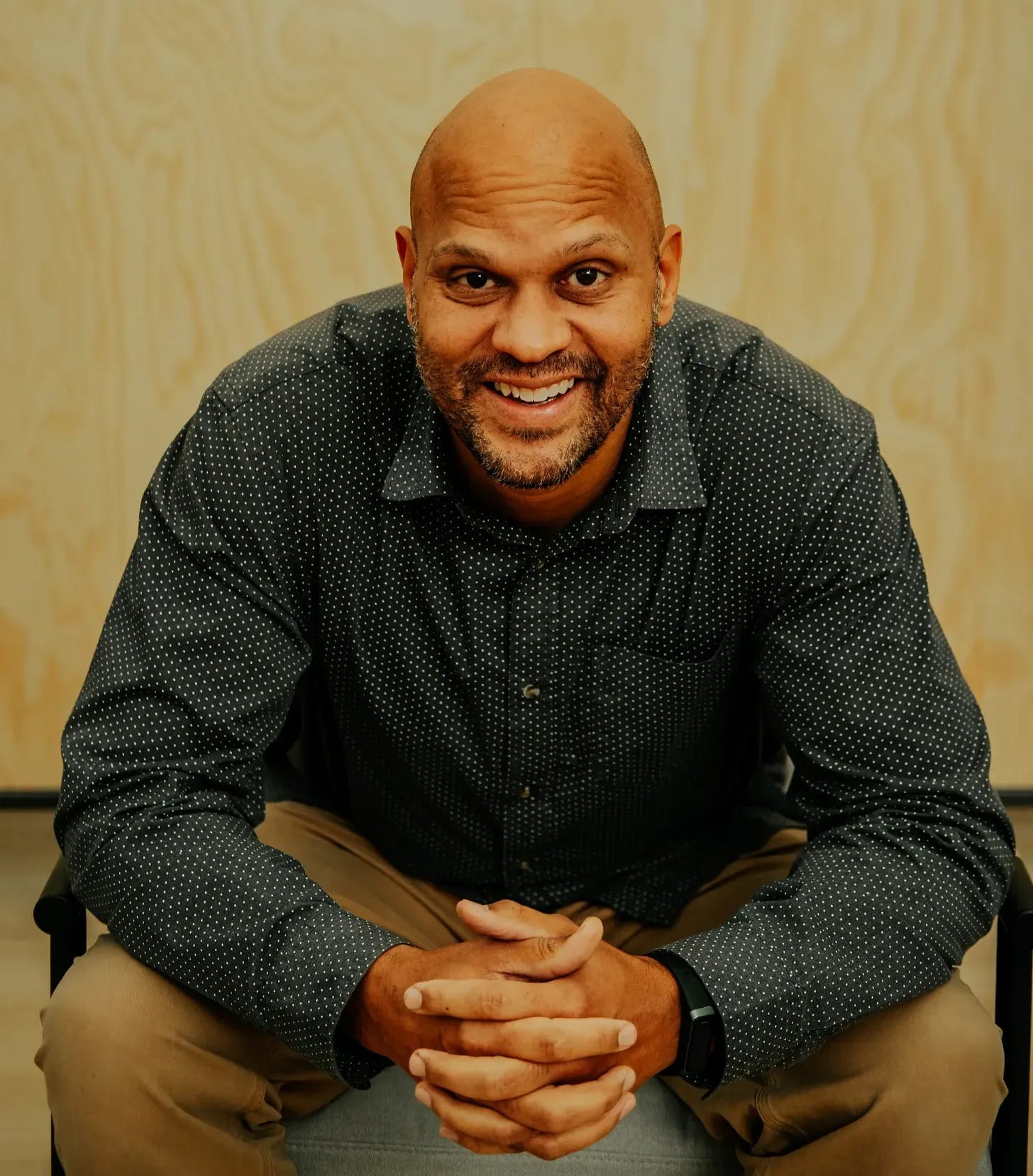
You don’t have to ditch your current provider. Just chat with us and maybe set up a test so you can see the difference between working with a vendor and working with a partner.